
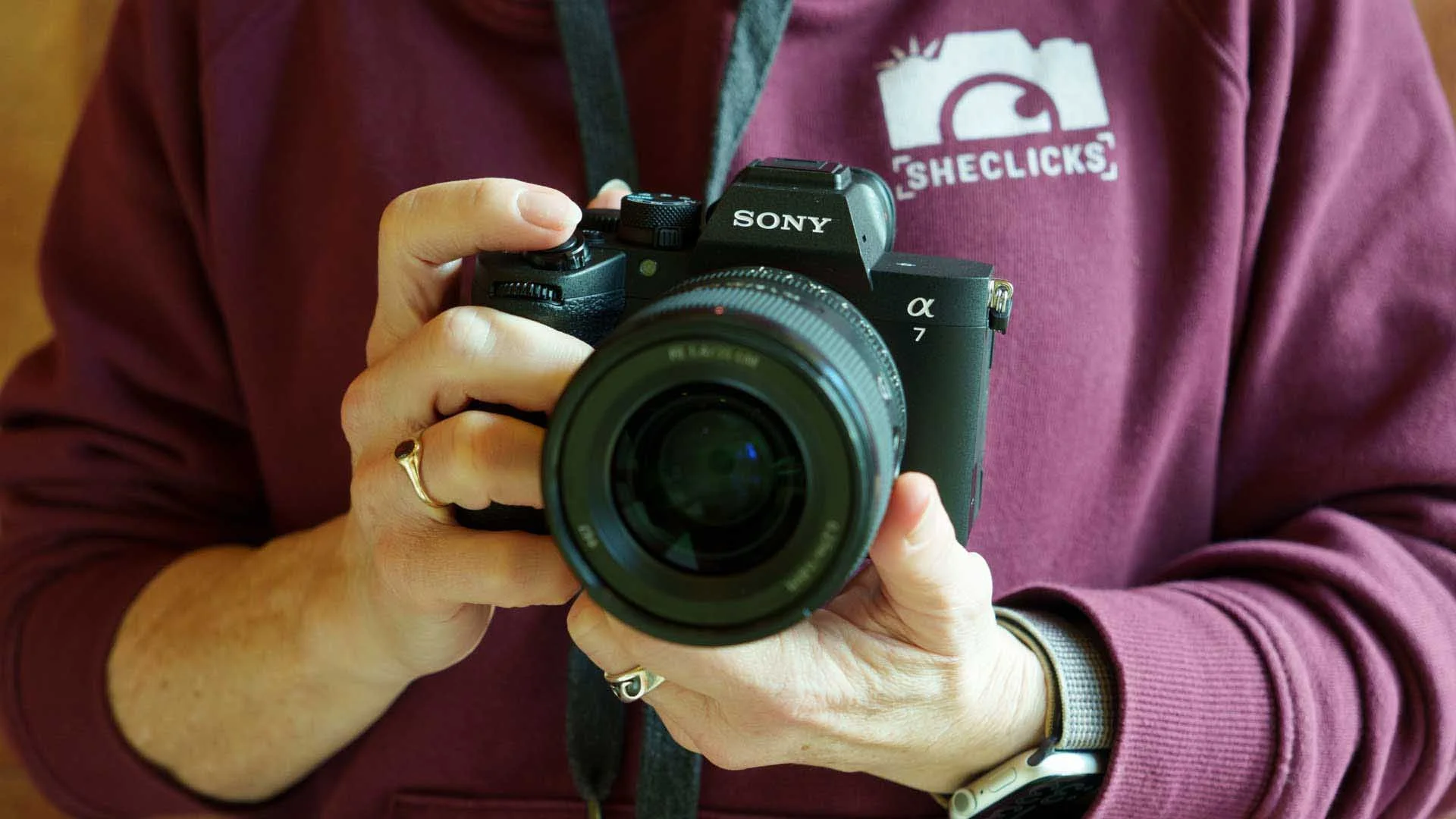
Sony’s Alpha 7 series of full-frame mirrorless cameras continues to evolve with the launch of the A7 V, a model that blends high-end performance with cutting-edge AI and refined handling. It promises a step forward for photographers and hybrid shooters, with rapid burst rates, a new autofocus engine, and significant video upgrades all wrapped in a redesigned body. Based on its specifications and heritage, the A7 V looks like it should deliver impressive results across a range of shooting scenarios. I’ll be using it over the coming week and will update this review with real-world impressions.
30fps blackout-free shooting with full AF/AE
AI-powered subject recognition and tracking
7K oversampled 4K60p video with full-pixel readout
• £2,799 body-only price may feel steep for some
• Two card slots, but only one can accept CFexpress Type A (and SD)
• Pre-capture isn’t available for video
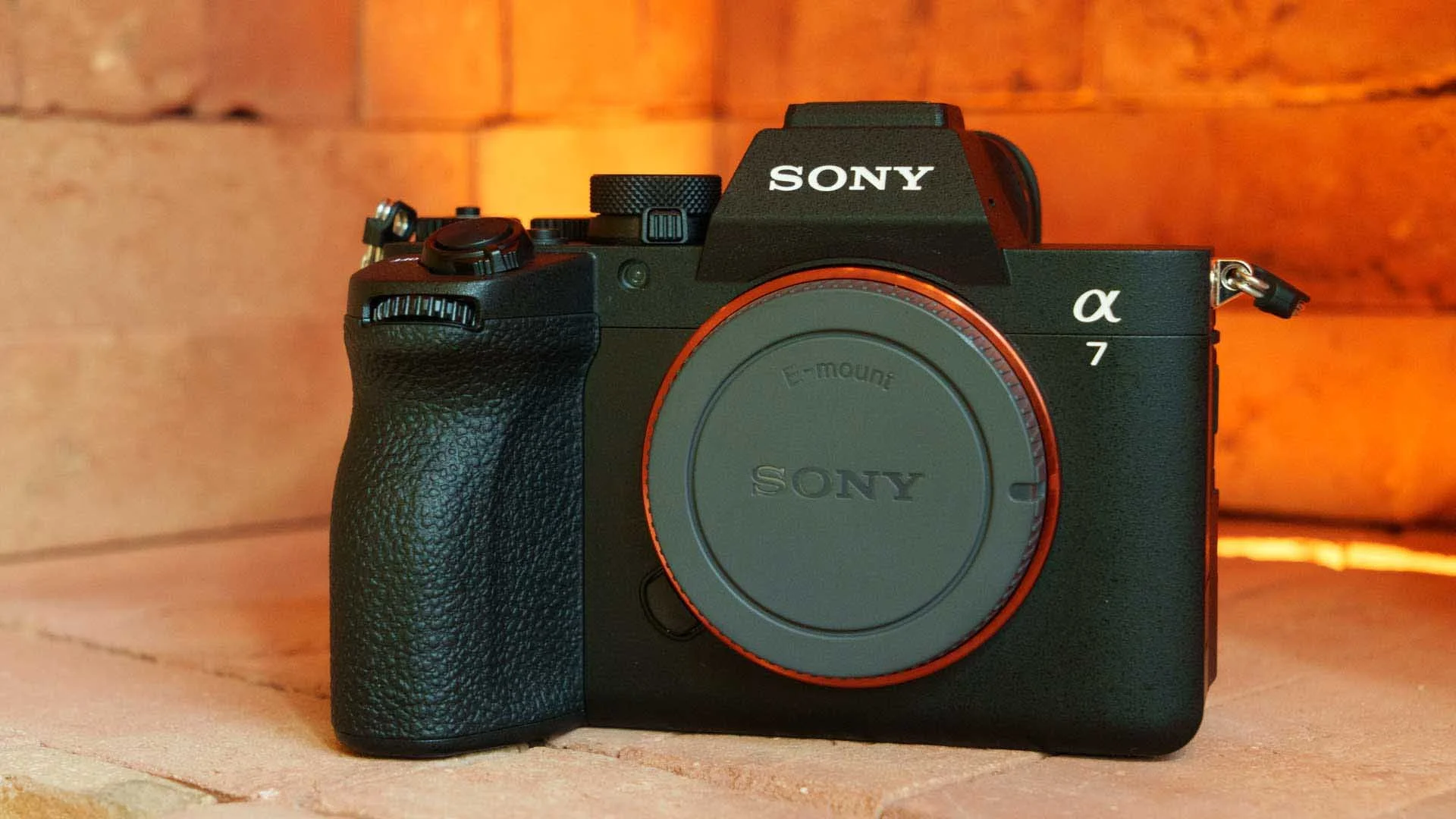
The Sony A7 V is a full-frame mirrorless camera designed to meet the demands of serious photographers and content creators alike. It slots into the heart of Sony’s Alpha line-up as a capable hybrid model, inheriting technology from the brand’s more expensive flagship cameras. With an emphasis on speed, AI-assisted autofocusing, and advanced video tools, it’s aimed at creatives who need flexibility without bulk.
The Sony A7 V goes on sale on 2nd December 2025, priced at £2,799 body-only in the UK or €2,999 in Europe.
Camera type: Full-frame mirrorless
Announced: 2nd December 2025
Sensor: 33MP full-frame
Processor: BIONZ XR2
Lens mount: FE
Sensitivity range: ISO 100-51,200, expandable to ISO 50-204,800
Autofocus system: Real-time Recognition AF, human, Animal, Bird, Insect, Car/Train and Airplanes, Auto
Image stabilisation: In-body image stabilisation, centre 7.5 stops and periphery 6.5 stops
Electronic stabilisation (video): Dynamic Active
Continuous shooting: Mechanical shutter: 10fps, Electronic shutter: 30fps with blackout-free shooting and Continuous Shooting Speed Boost
Pre-capture: Yes
Maximum video resolution: 4K 60p (full-frame), 4K 120p (Super 35)
Viewfinder: OLED electronic viewfinder, 0.78x magnification, 3.68-million dots
Screen: 3.2-inch, 4-axis multi-angle monitor with 2.095-million-dot
Storage: Dual slots – CFexpress Type A / SD (UHS-II) and SD (UHS-II)
Connectivity: USB Type-C: 2 ports (10Gbps / 480Mbps), Wireless LAN: 802.11 a/b/g/n/ac/ax (2.4GHz, 5GHz, 6GHz), Livestreaming: 4K 30p UVC/UAC
Battery life (still images): 630 shots with EVF in CIPA tests
Dimensions (W x H x D): 130.3 x 96.4 x 72.3 mm
Weight: 695 g (with battery and memory card)
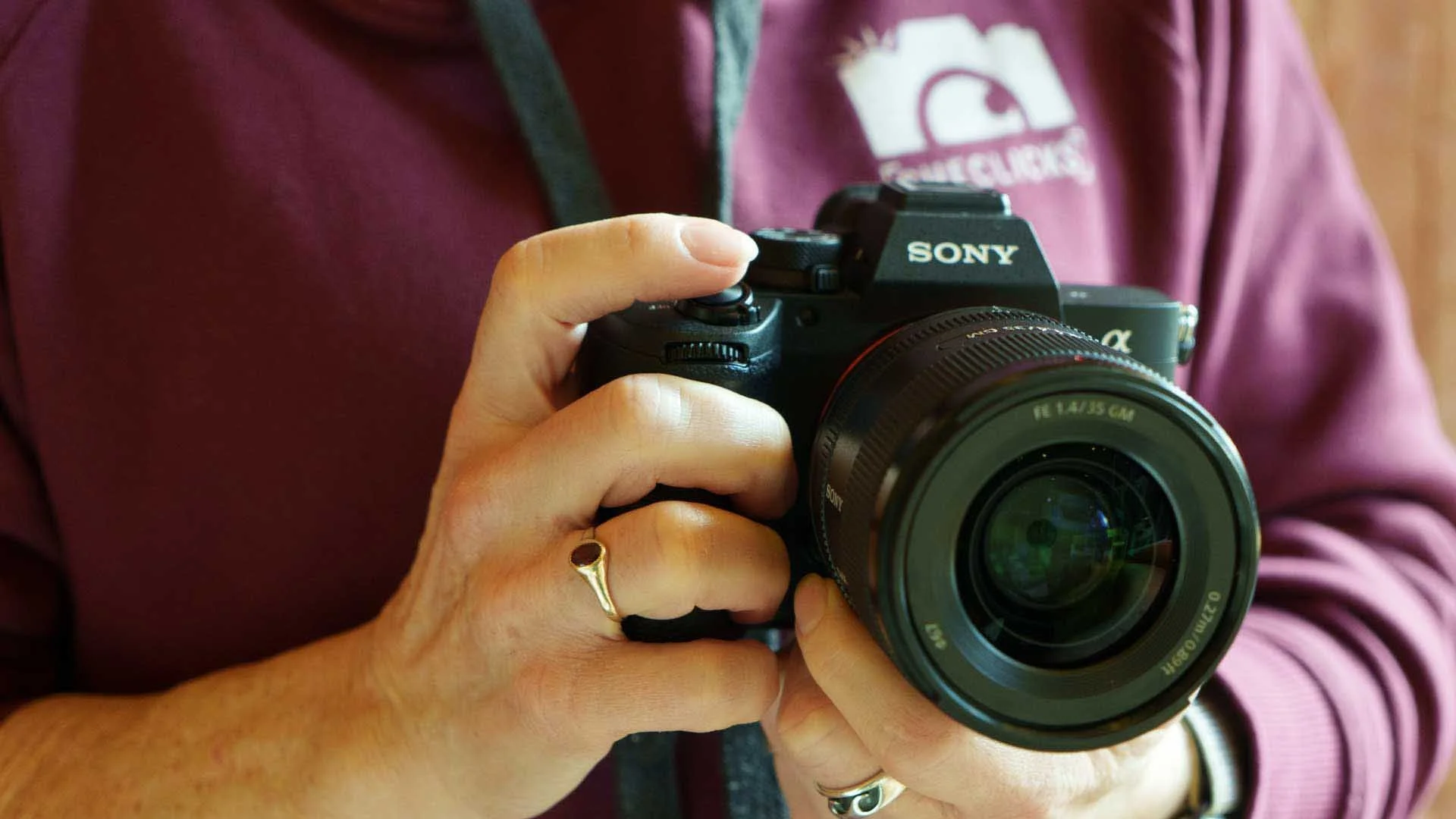
A newly developed 33-megapixel partially-stacked CMOS sensor lies at the core of the A7 V, paired with the latest BIONZ XR2 image processor and an integrated AI processing unit. With the electronic shutter, this powerful combination allows blackout-free 30fps continuous shooting with full autofocus and auto-exposure. There’s also a mechanical shutter option offering up to 10fps.
Helpfully, a continuous shoot speed boost function helps capture key moments with a moment’s notice to avoid overfilling cards unnecessarily.
The autofocus system is enhanced with real-time AI-based subject recognition, capable of detecting humans, birds, animals, insects, cars, trains and planes. Autofocusing promises to be quick and decisive, even when subjects change direction or move unpredictably.
Sony’s improved auto white balance also uses deep learning, trained using images captured in thousands of lighting scenarios, to improve colour reproduction straight out of the camera – that’s something I’m keen to explore when I begin testing.
Sony’s Pre-capture feature is also available. In this mode, the camera records up to one second of action before the shutter is fully pressed. This is something that’s previously been reserved for higher-end models, and it’s great news for anyone who likes to photograph unpredictable action.
On the video side, the A7 V is capable of recording 4K60p footage from a 7K oversample with full-pixel readout and no binning. There’s also 4K 120p capture using the Super 35mm (APS-C crop) mode, which is ideal for high-quality slow-motion work. The A7 V also has S-Cinetone, LUT import for monitoring the appearance of what’s being recorded, auto-framing for solo creators and new audio features including 24-bit/48kHz 4-channel input via the Multi Interface Shoe.
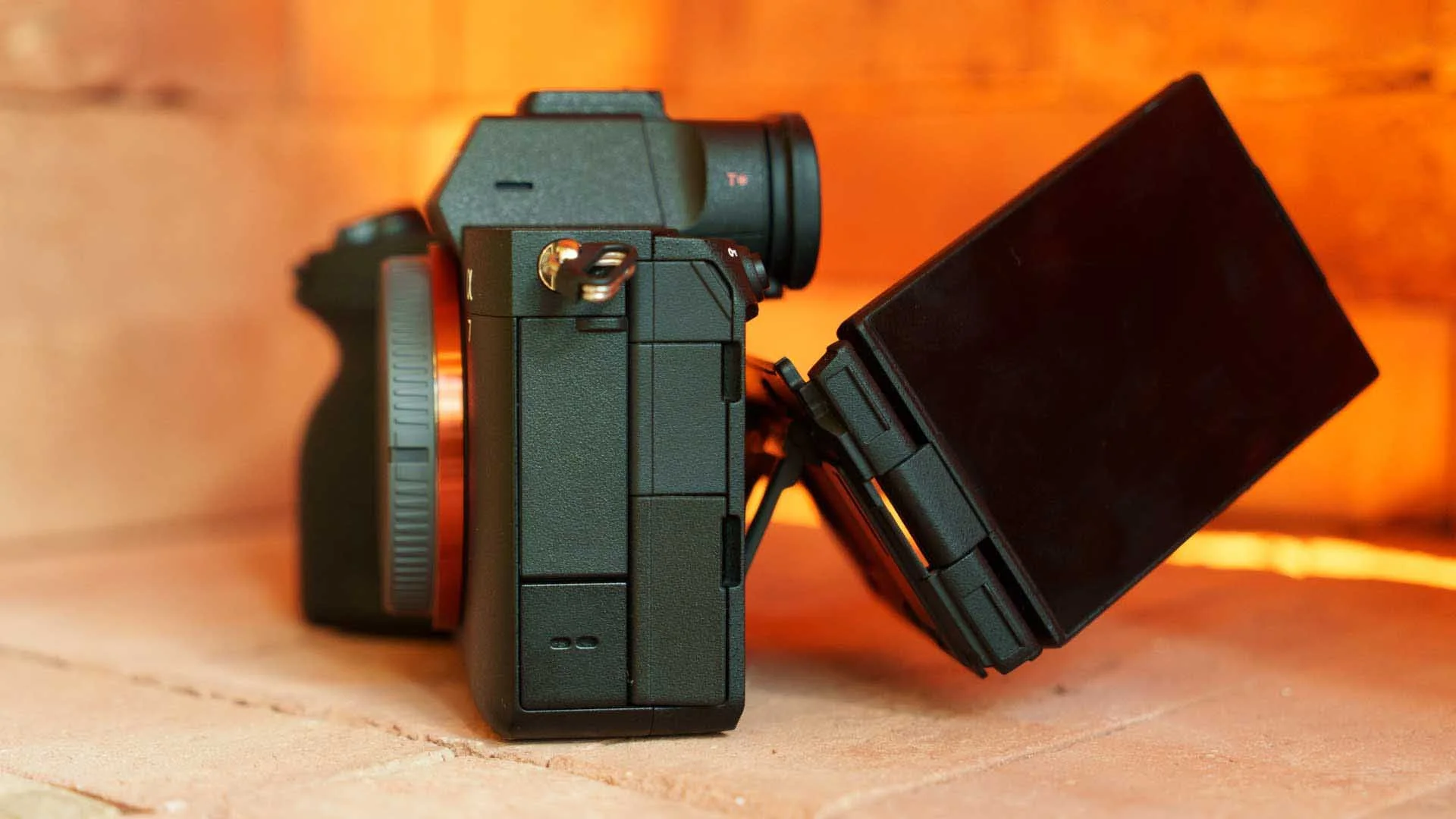
Sony has redesigned the grip on the A7 V, which now has a deeper profile than previous models. This change promises a more secure and comfortable hold, particularly with longer lenses or during extended shooting sessions. I haven’t had the opportunity to hold the camera yet, but I’ll be paying close attention to how the new design feels in real-world use.
The camera features a 3.2-inch, 2.1-million-dot LCD screen on a four-axis mechanism, inherited from the A7R V, which means it offers flexible viewing angles for both stills and video. It’s paired with a 3.68-million-dot OLED electronic viewfinder, designed to give a bright, clear view of the scene.
Dual card slots are included, but they support different formats: one CFexpress Type A and UHS-II SD compatible slot and one UHS-II SD slot. There are also two USB-C ports, one for data transfer and one for power, which adds flexibility for tethered shooting or long-form video recording.
Meanwhile, the battery life is rated at 750 shots using the LCD and 630 via the EVF, and a new automatic screen brightness reduction setting helps to preserve power when the screen is inactive.
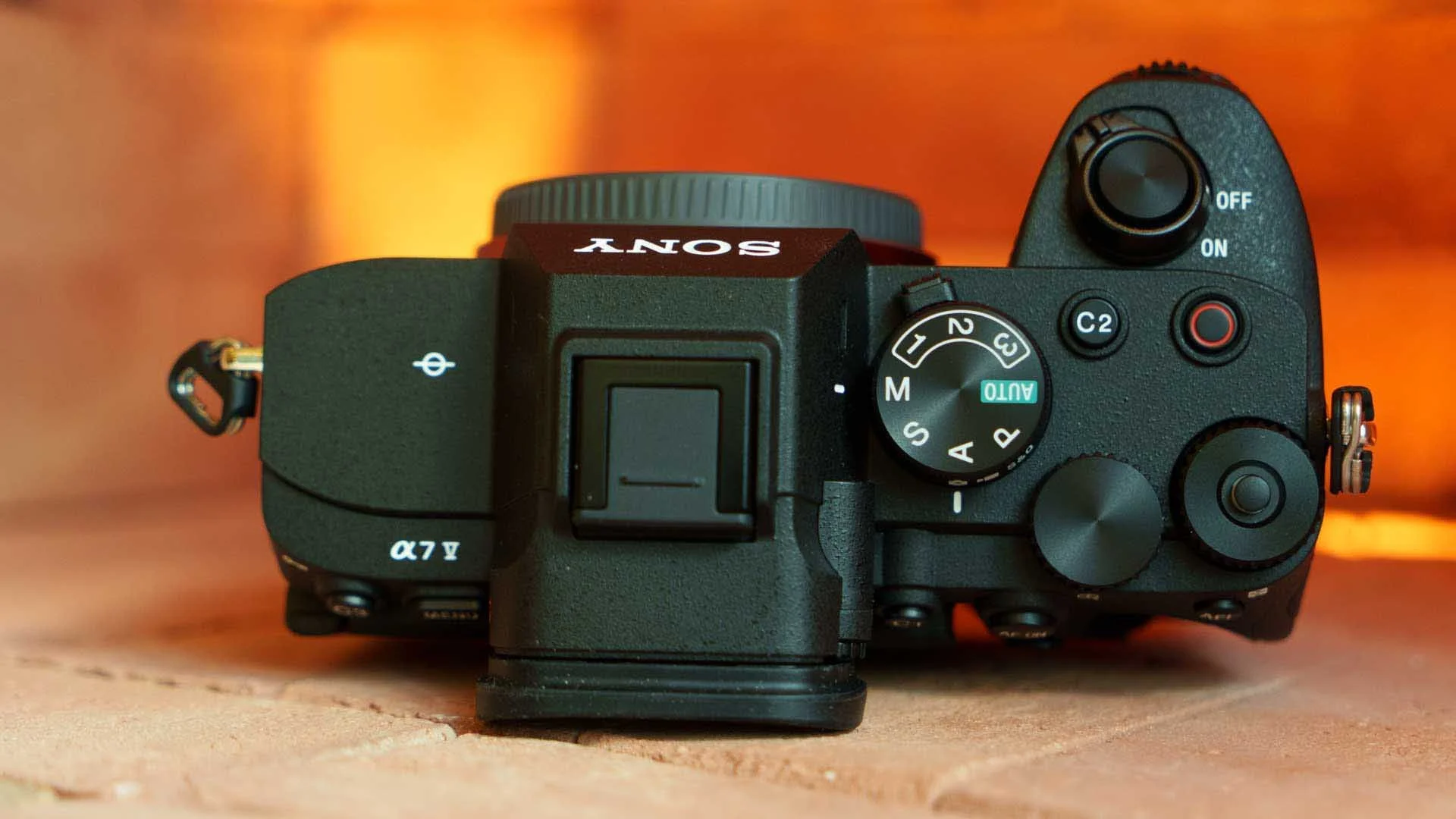
Although I haven’t had the chance to shoot with the Sony A7 V just yet, its specifications and lineage bode well for both stills and video. Aspects such as up to 16 stops of claimed dynamic range, 7.5 stops of in-body image stabilisation (IBIS) and composite raw shooting for enhanced detail and reduced noise suggest the A7 V could offer excellent image quality. I’ll be putting these claims to the test in the coming week and will update this review with my findings.
For video, the A7 V’s promise of oversampled 4K and no crop 60p recording, paired with AI-based auto-framing and sound-optimising tools, should appeal to hybrid creators and solo shooters alike.
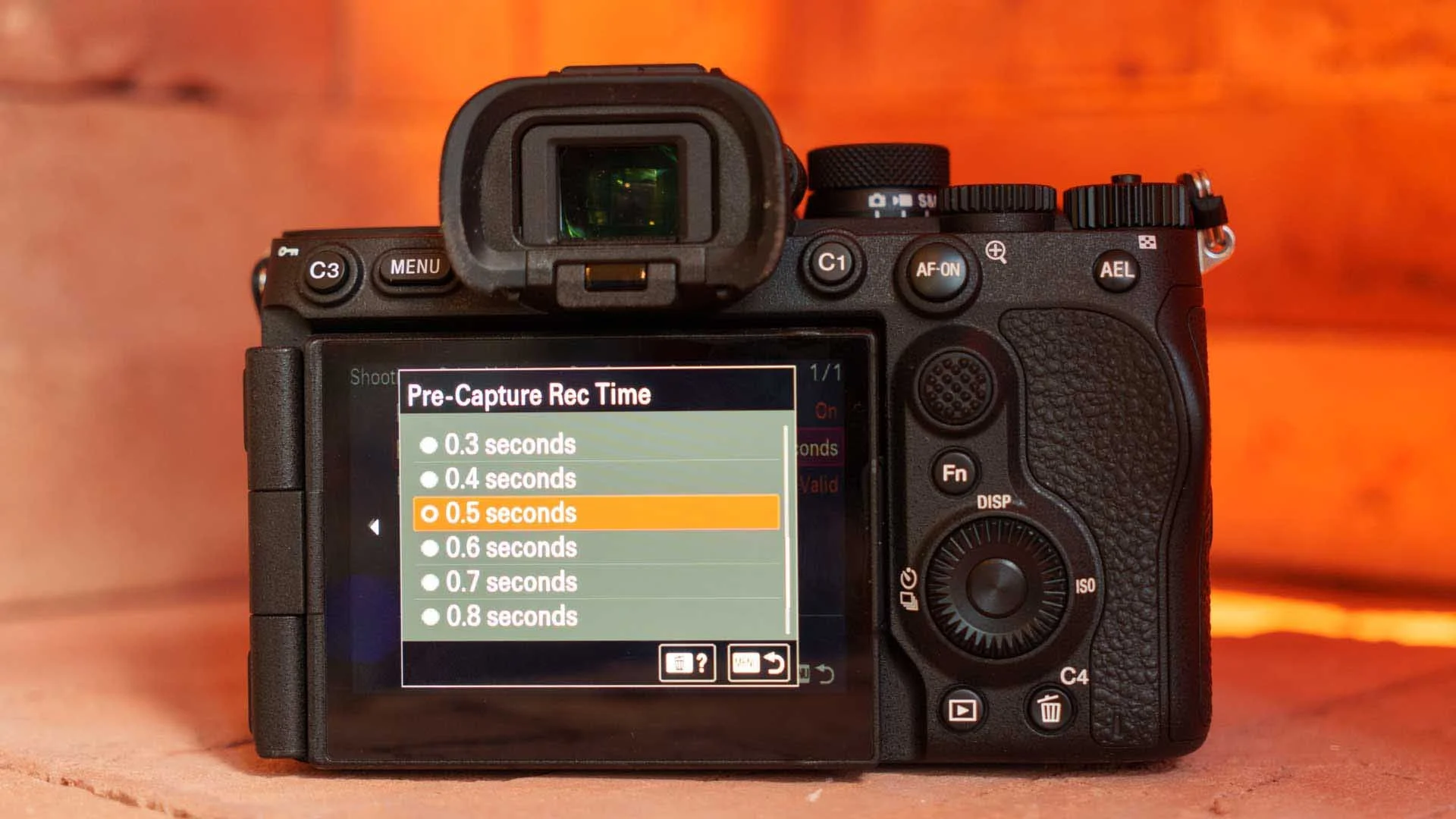
At first glance, the Sony A7 V appears to be a significant step forward for the A7 line. It brings much of the speed and AI-driven functionality found in Sony’s top-tier cameras to a more accessible body. While I need to spend time shooting with it to confirm how it performs in real-world conditions, it looks like it could be one of the most compelling hybrid mirrorless cameras currently available, especially for women photographers who value speed, smart features and a thoughtfully redesigned body.